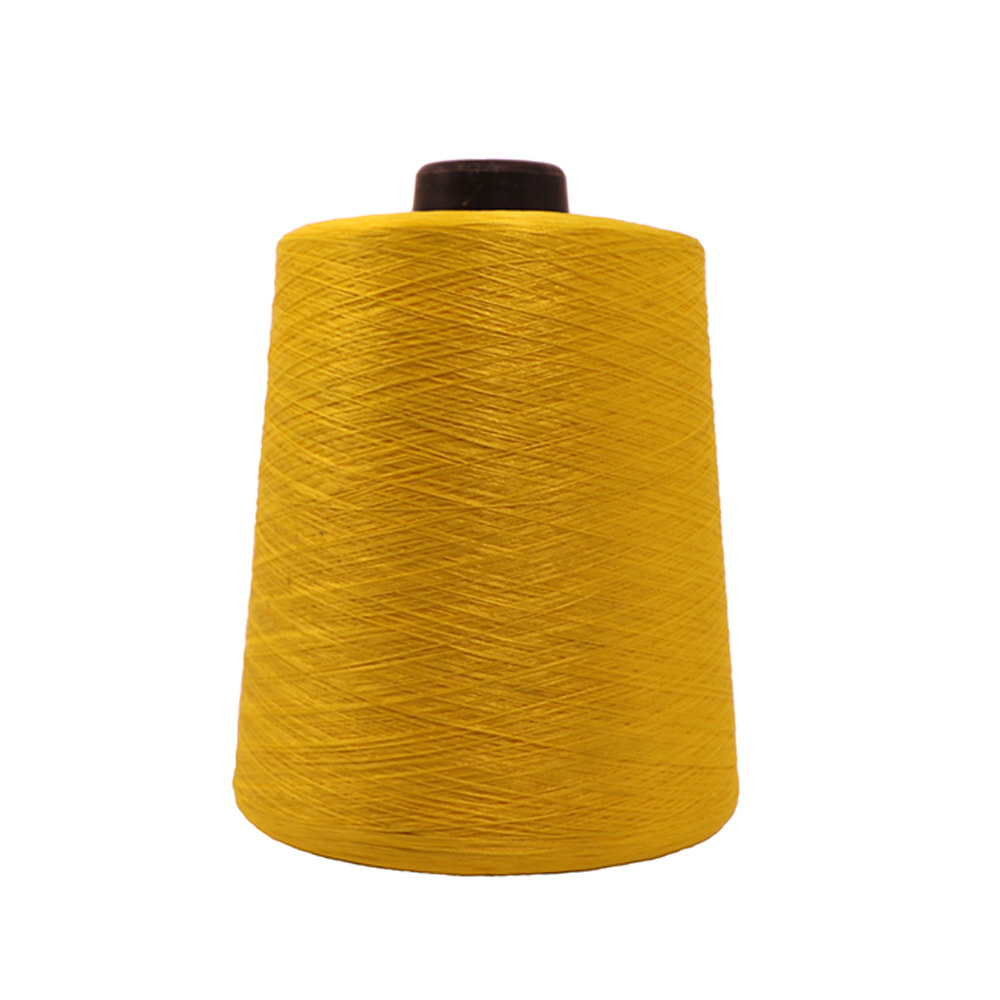
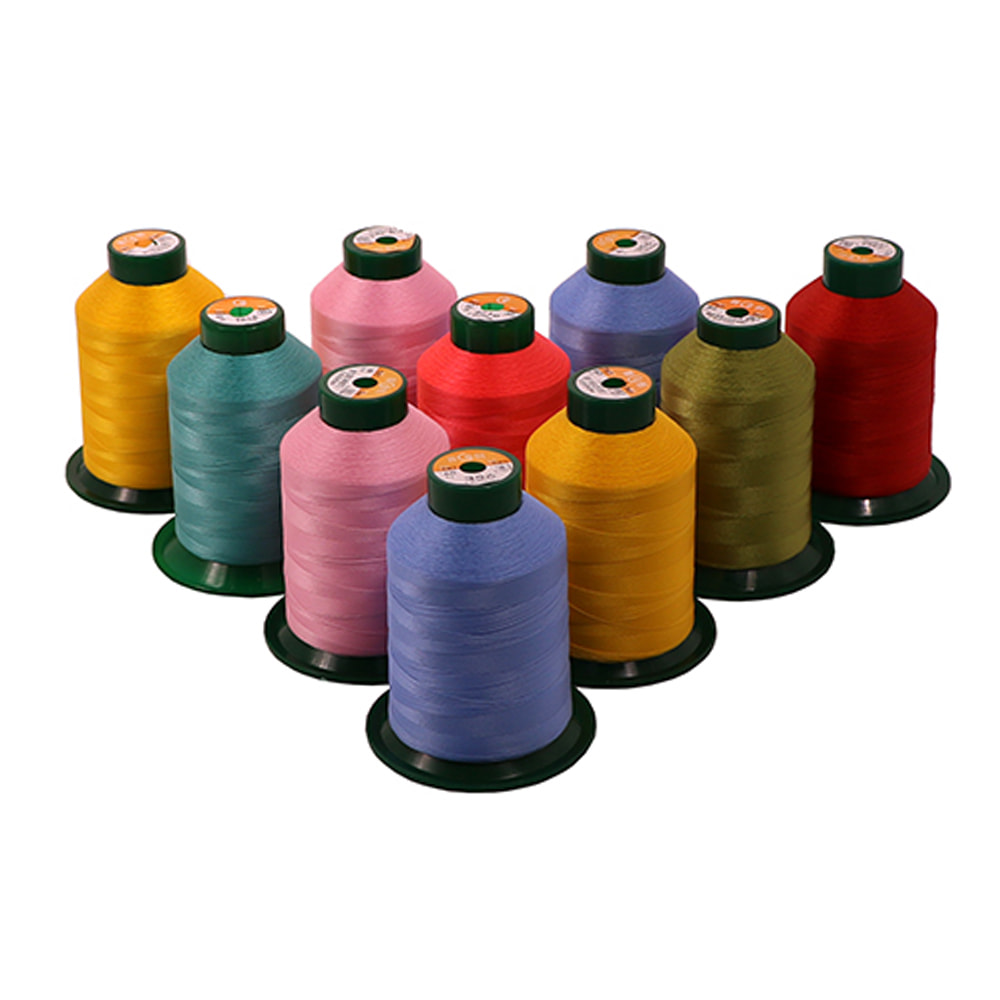
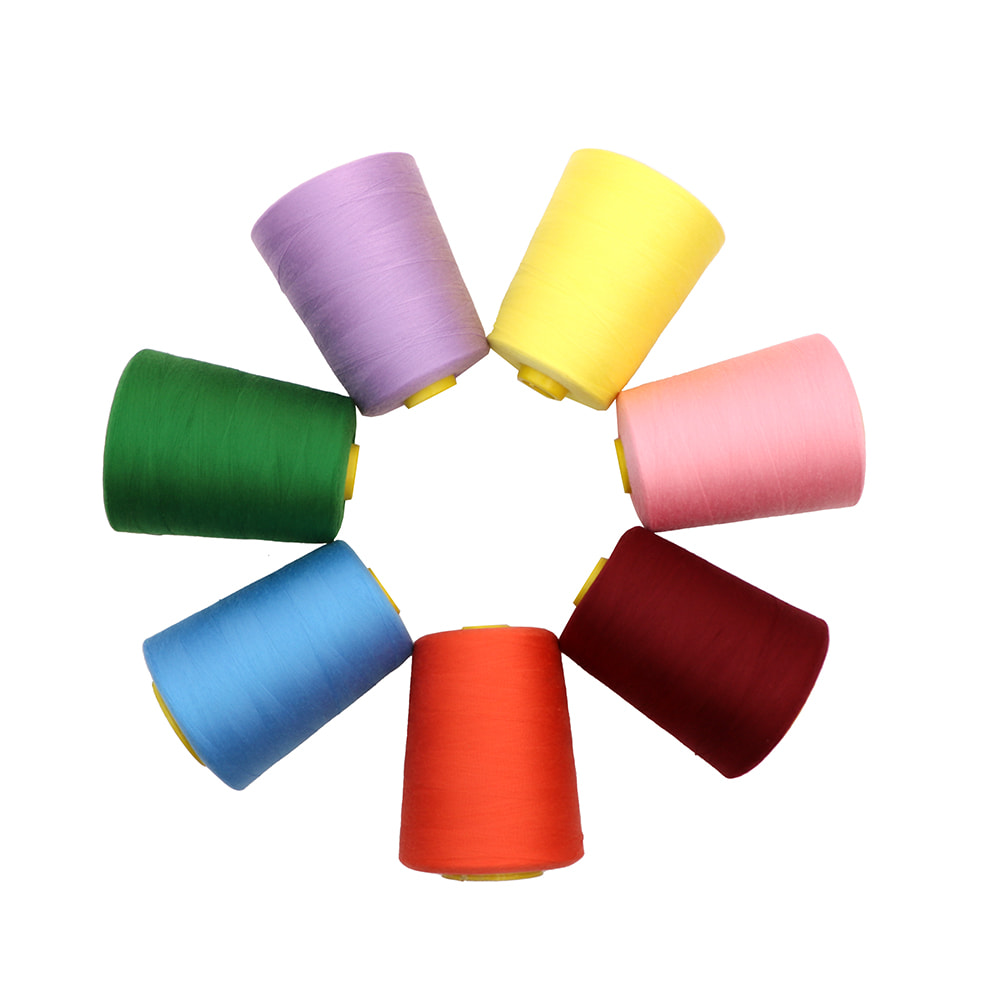
Performa warna adalah salah satu faktor paling menentukan kualitas hasil sulaman, yang memengaruhi segalanya mulai dari definisi jahitan hingga bagaimana desain akhir terbaca dari jarak jauh. Benang Bordir Cerah diformulasikan secara khusus untuk saturasi dan kilau warna yang tinggi, menjadikannya pilihan umum untuk logo, tanda merek, dan jahitan dekoratif yang mengutamakan dampak visual dan daya tahan. Panduan ini mencakup benang bordir cerah terbuat dari apa, bagaimana perbandingannya dengan jenis benang lainnya, dan apa yang harus diperiksa sebelum memulai produksi.
Apa Itu Benang Bordir Cerah
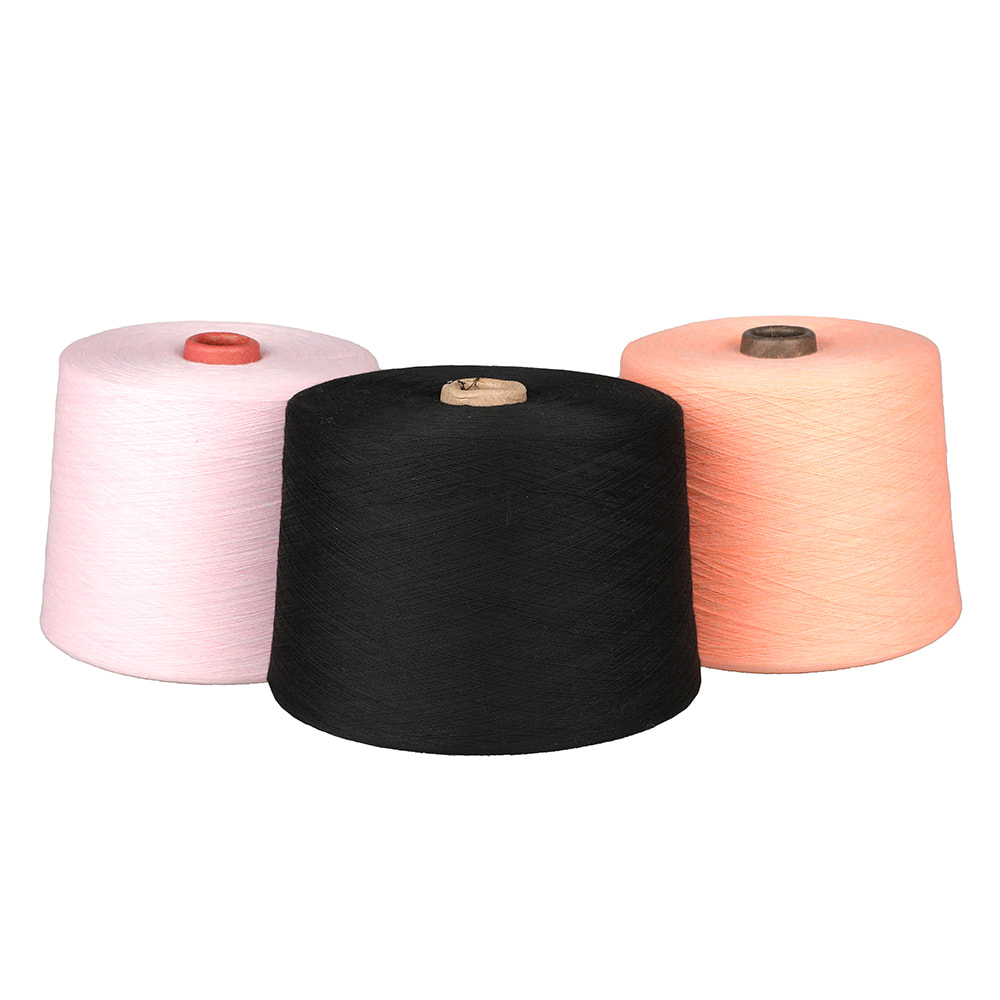
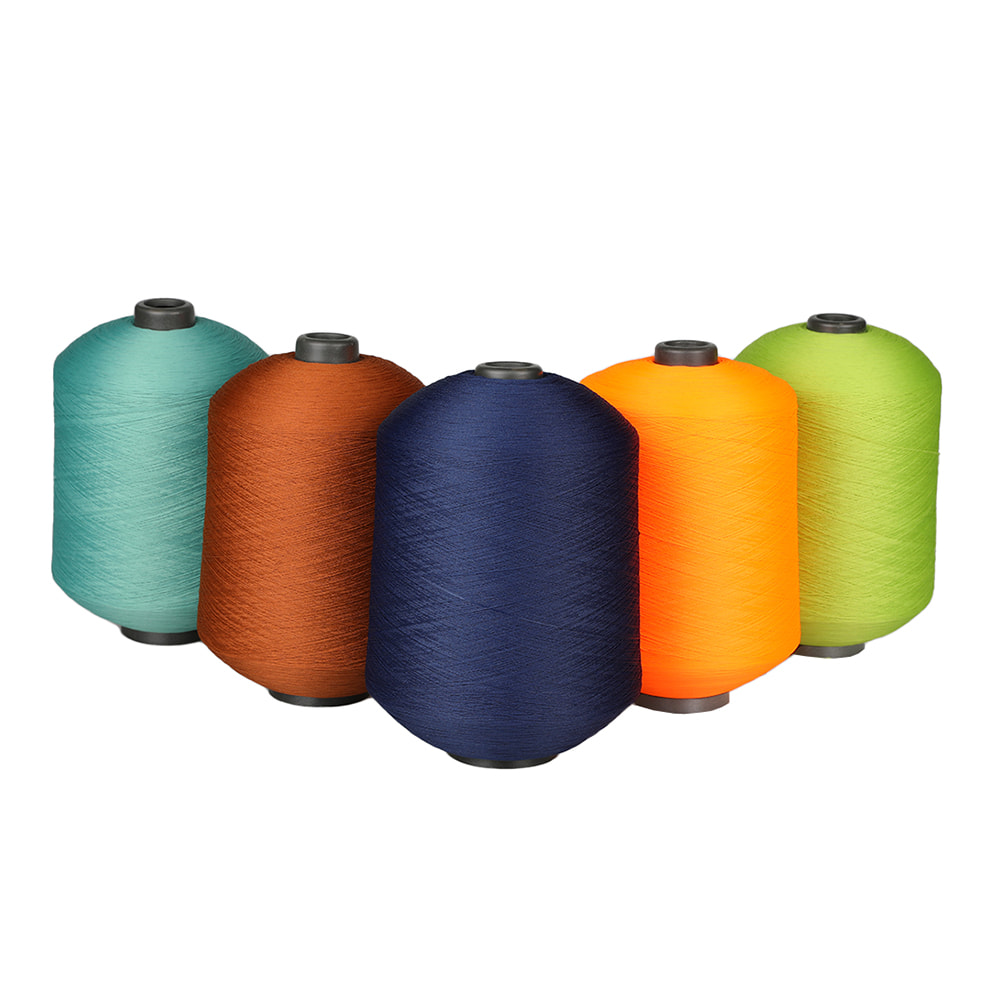
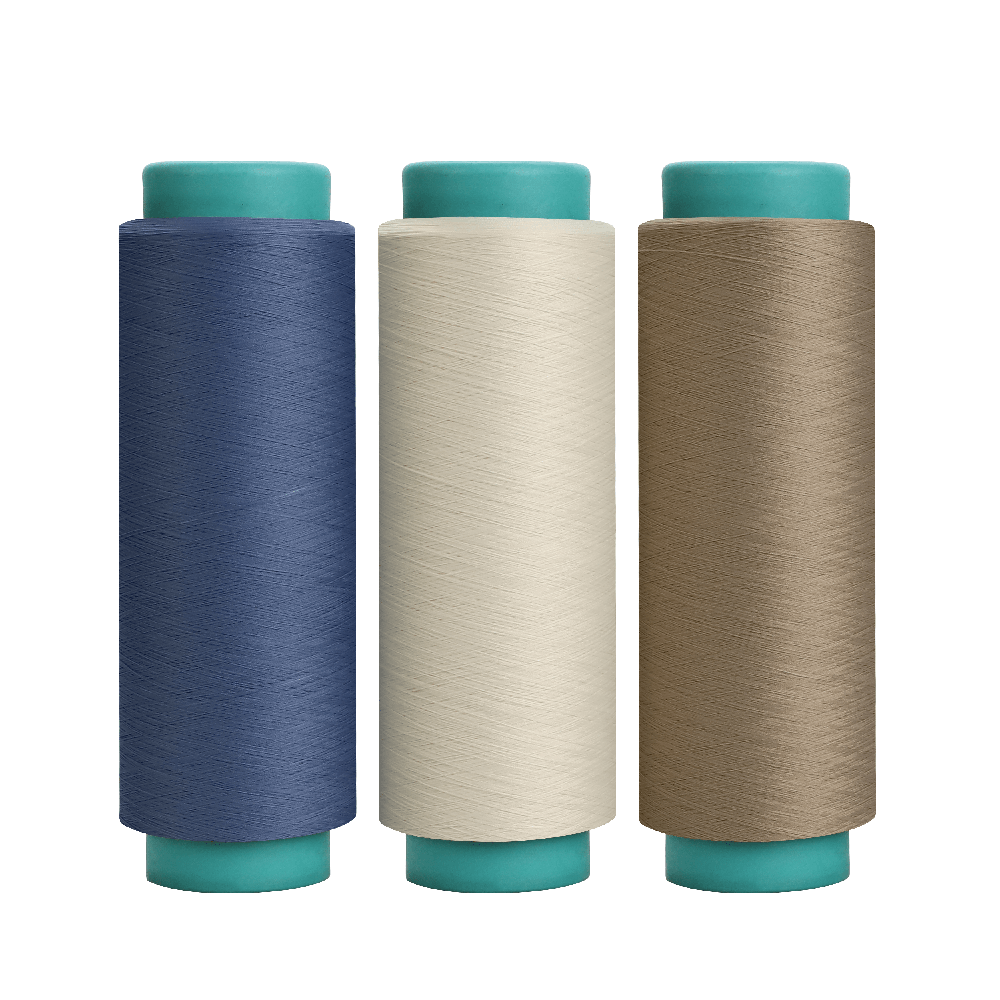
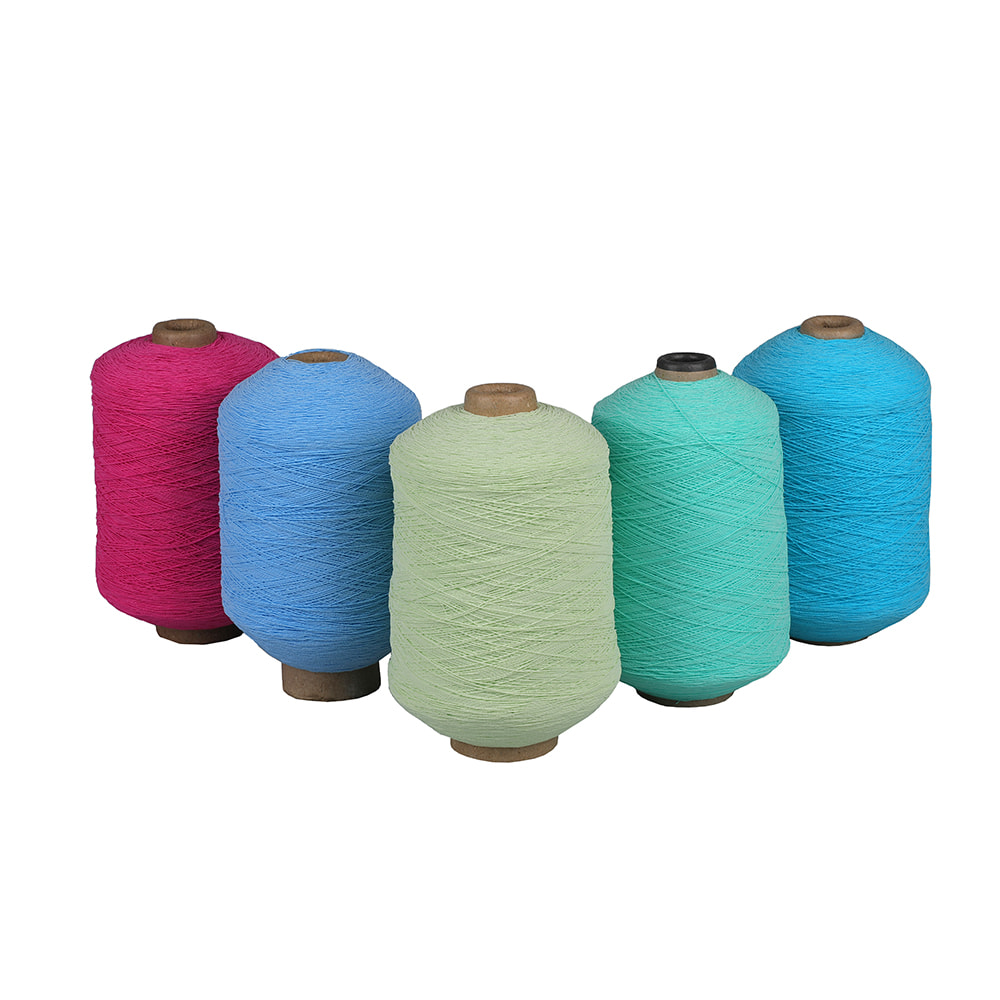
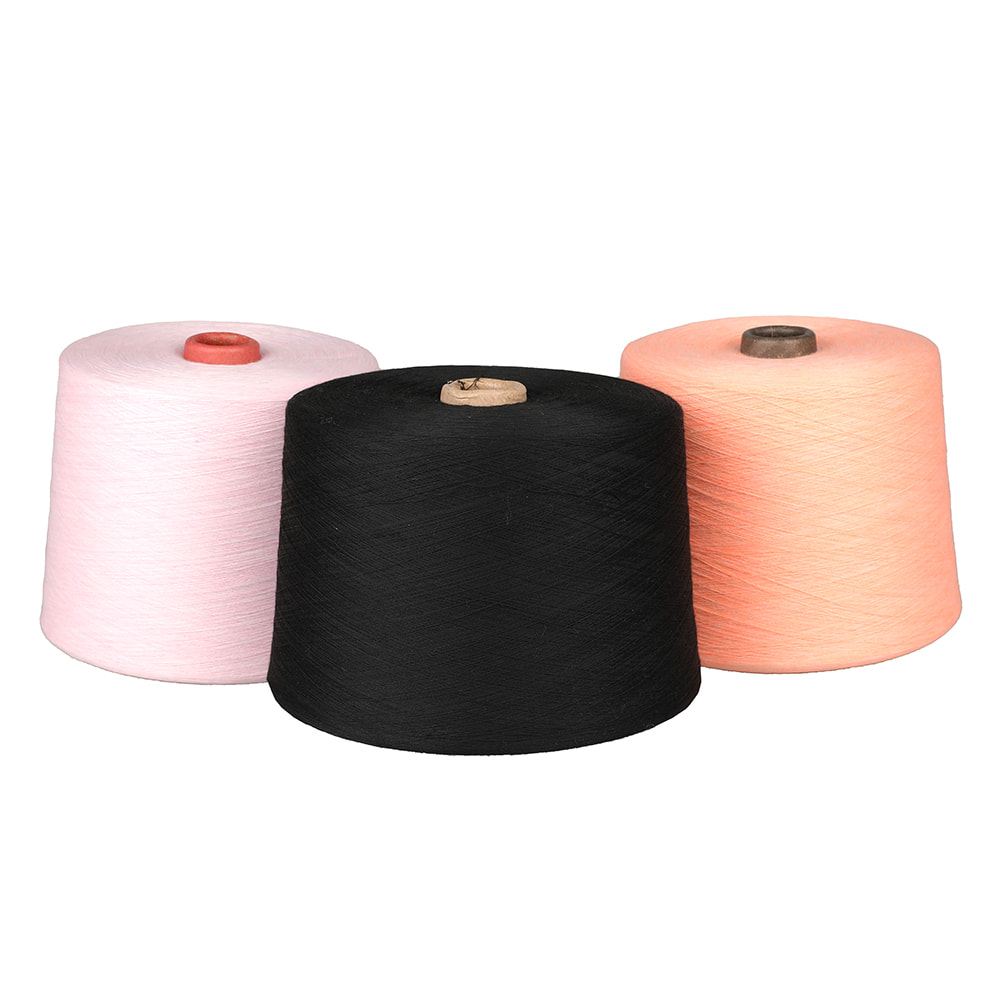
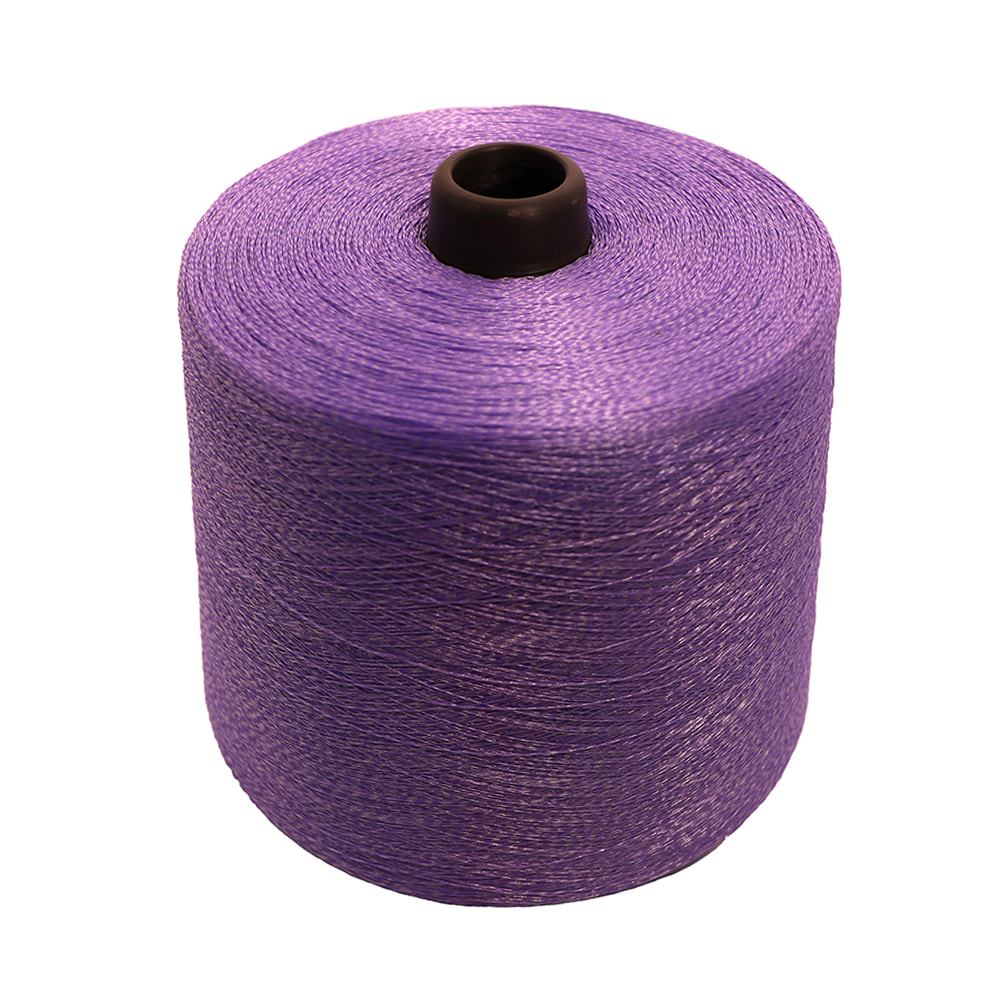
Benang sulaman cerah mengacu pada benang yang dirancang untuk menghasilkan kilau tinggi dan cerah, warna jenuh, bukan hasil akhir matte atau lembut. Efek ini berasal dari jenis serat, struktur filamen, dan proses pewarnaan yang digunakan selama produksi. Benang rayon dan benang filamen poliester tertentu adalah serat dasar yang paling umum untuk benang terang, karena permukaan filamennya yang halus memantulkan cahaya lebih merata dibandingkan serat yang lebih pendek dan bertekstur yang ditemukan pada benang katun pintal.
Kilauan benang yang cerah merupakan akibat langsung dari kehalusan filamen. Serat filamen yang berkesinambungan dan tidak terputus memantulkan cahaya di sepanjang seratnya dengan titik hamburan yang lebih sedikit, menghasilkan efek visual mengkilap yang diasosiasikan dengan benang bordir cerah. Ini adalah sifat struktural dari serat itu sendiri, bukan pelapisan atau perawatan permukaan yang diterapkan setelahnya.
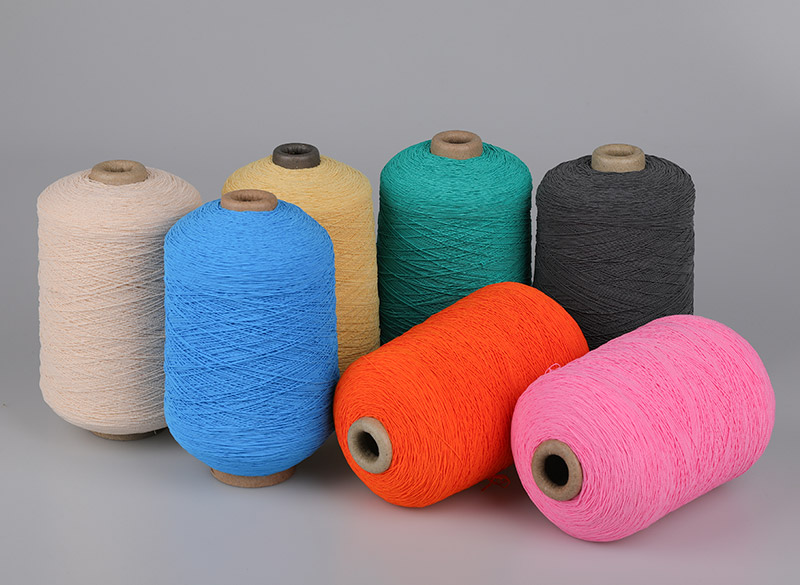
Jenis-Jenis Benang Bordir dan Ragam Warnanya
Benang Rayon
Kemilau tinggi dan rentang warna yang luas, secara historis merupakan standar untuk sulaman dekoratif karena kilaunya yang halus dan serapan pewarna yang konsisten.
Benang Poliester
Kecerahannya sebanding dengan rayon dengan ketahanan luntur warna yang lebih kuat saat dicuci dan terkena paparan sinar matahari, menjadikannya umum untuk barang yang memerlukan pencucian berulang kali.
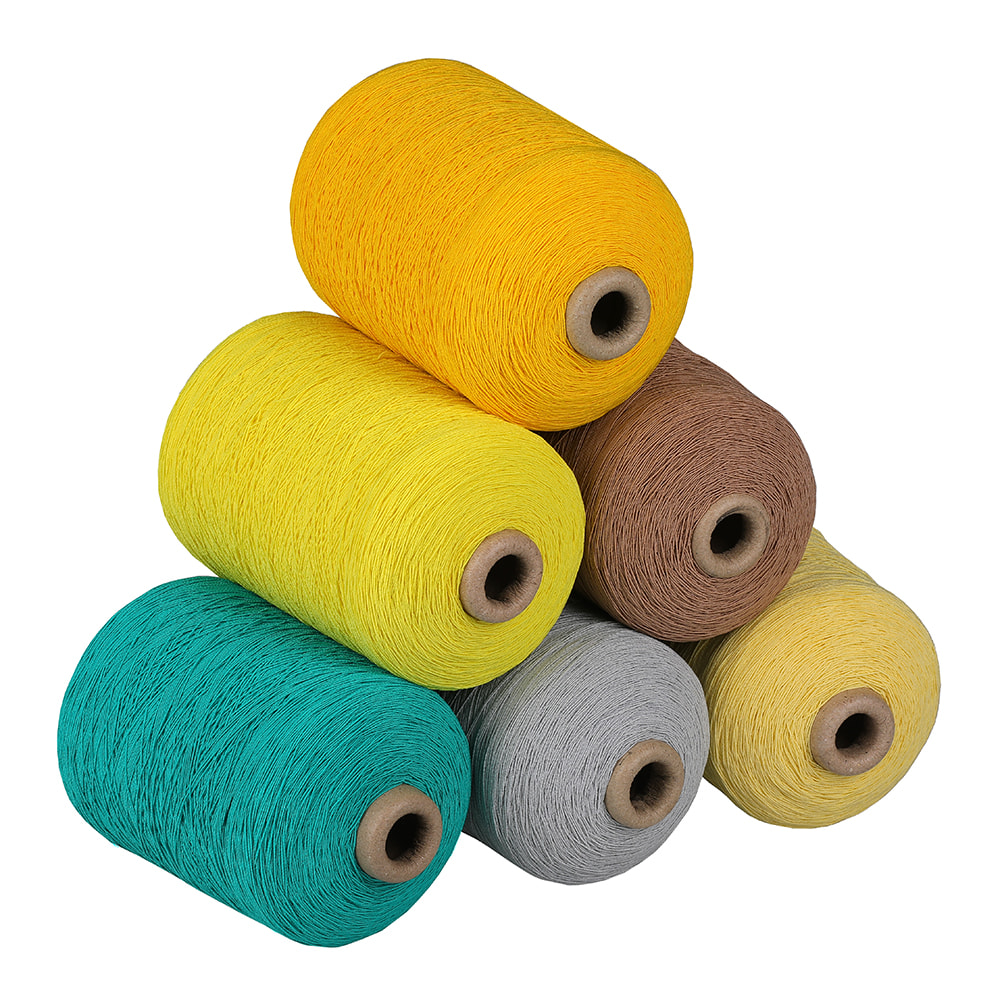
Benang Katun
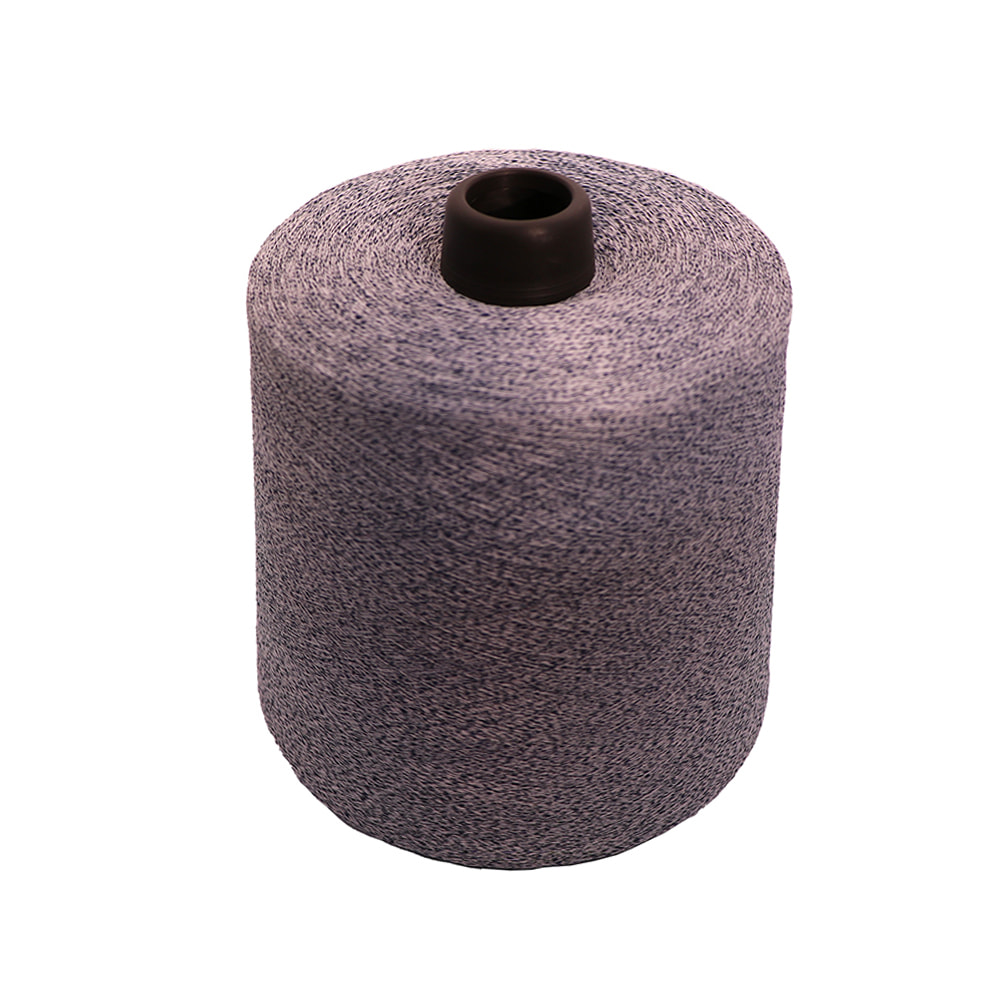
Hasil akhir yang lebih lembut dan matte dengan rentang warna cerah yang lebih sempit, umumnya dipilih untuk tampilan jahitan yang natural atau vintage daripada kilau yang tinggi.
Benang Metalik
Filamen metalik reflektif melilit benang inti, digunakan untuk jahitan aksen, bukan untuk pengisian cakupan penuh karena fleksibilitasnya yang lebih rendah.
Spesifikasi Teknis dan Faktor Kinerja Utama
| Basis Serat | Rayon, poliester, katun, atau filamen terbungkus logam |
| Berat Benang | Biasanya 40wt untuk bordir mesin standar |
| Struktur Lapis | Filamen bengkok 2 lapis atau 3 lapis |
| Kekuatan Tarik | Cukup untuk menahan tegangan mesin berkecepatan tinggi tanpa sering terjadi kerusakan |
| Tahan luntur warna | Dinilai tahan terhadap pencucian, paparan cahaya, dan crocking |
| Format Kumparan | Ukuran cone atau mini king spool standar untuk mesin industri |
Menerapkan Teori Warna pada Warna Benang Bordir
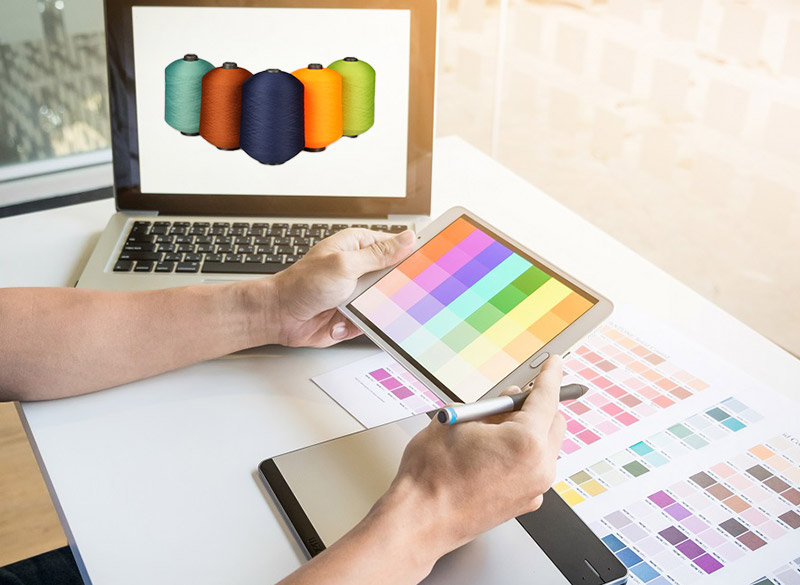
Memilih warna benang untuk sebuah desain mendapat manfaat dari hubungan warna yang sama yang digunakan di seluruh disiplin desain visual. Tiga hubungan paling sering muncul ketika merencanakan rangkaian bordir multi-warna.
Komplementer
Memasangkan warna benang cerah dengan kebalikannya pada roda warna akan menciptakan kontras visual yang kuat, berguna untuk logo yang perlu menonjol dengan latar belakang pakaian polos.
Analog
Warna-warna yang berdekatan pada roda menciptakan efek gradien yang lebih halus dan harmonis, sering kali digunakan dalam desain bordir yang terinspirasi bunga atau alam.
Triadik
Tiga warna dengan jarak yang sama pada roda memberikan kontras yang seimbang sekaligus mempertahankan lebih banyak kecerahan dibandingkan pasangan pelengkap ketat, yang biasa terjadi pada sulaman merek.
Perbandingan: Performa Benang Rayon, Poliester, dan Katun
| Properti | Rayon | Poliester | kapas |
| Tingkat Kemilau | Tinggi | Tinggi | Rendah hingga matte |
| Tahan luntur warna | Sedang | Tinggi | Sedang |
| Daya Tahan Cuci | Sedang | Tinggi | Sedang |
| Penggunaan Khas | Isi dekoratif, branding pakaian | Pakaian kerja, barang yang sering dicuci | Desain dengan finishing natural atau bergaya vintage |
Pertimbangan Seleksi untuk Pengadaan
- Cocokkan jenis benang dengan frekuensi pencucian penggunaan akhir — Barang-barang yang dicuci sering kali mendapat manfaat dari ketahanan warna poliester yang lebih kuat dalam siklus berulang.
- Konfirmasikan konsistensi pewarna — Variasi warna antar lot pewarna dapat menciptakan ketidakkonsistenan yang terlihat pada proses produksi besar dengan menggunakan desain yang sama.
- Periksa kekuatan tarik untuk kecepatan mesin — Mesin bordir industri berkecepatan tinggi memerlukan benang yang diberi nilai tegangan berkelanjutan tanpa sering putus.
- Tinjau kompatibilitas format spul — Ukuran cone dan king spool harus sesuai dengan pengaturan mesin yang digunakan dalam produksi.
- Evaluasi kedalaman rentang warna — Rentang warna yang tersedia lebih luas mendukung pencocokan warna yang lebih tepat untuk desain multi-warna yang detail.
Tren Sulaman Saat Ini
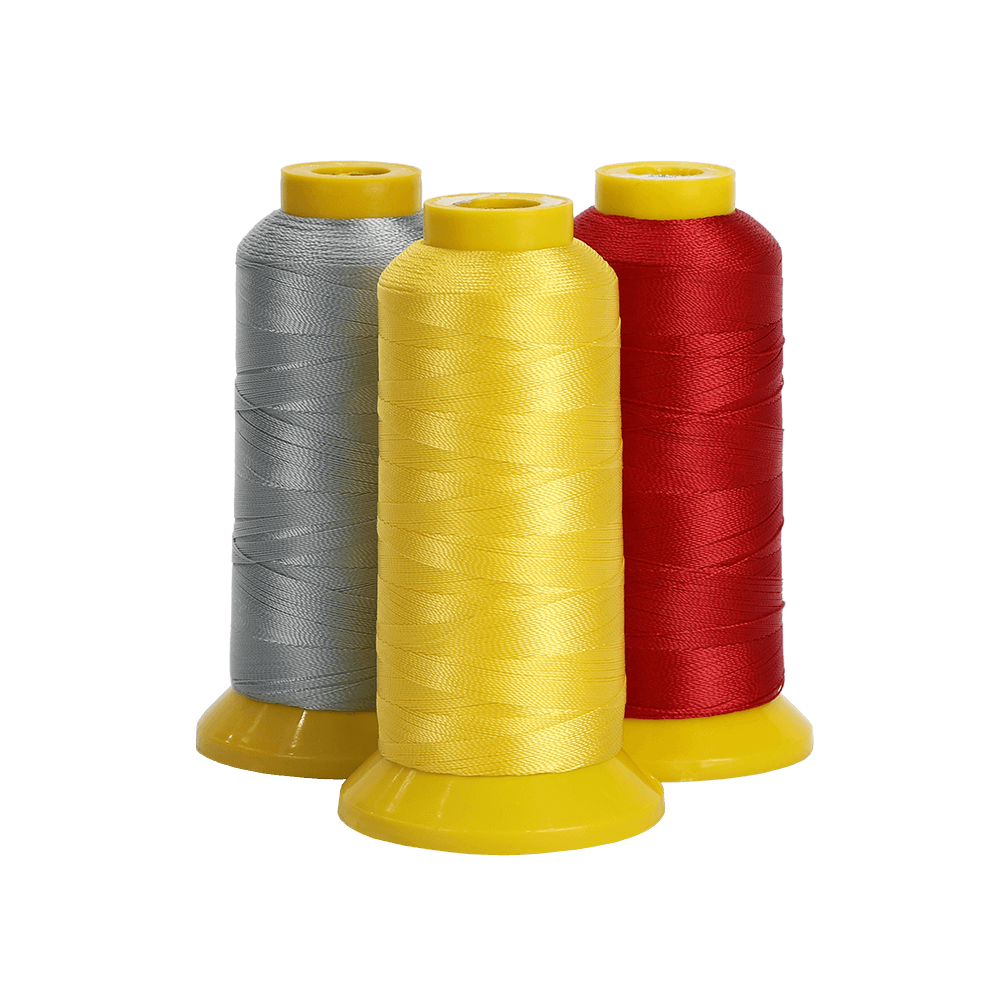
Desain bordir terus bergerak menuju transisi warna yang lebih padat dan detail dalam satu desain, yang memberikan tuntutan lebih besar pada kedalaman rentang warna benang dan konsistensi pewarna antar batch. Ada juga peningkatan minat dalam menggabungkan benang cerah dan berkilau tinggi dengan aksen matte atau metalik dalam desain yang sama untuk menciptakan kontras warna tanpa mengganti jenis serat sepenuhnya. Perangkat lunak digitalisasi telah maju seiring dengan tren ini, memungkinkan teknik pencampuran warna yang lebih tepat yang mengandalkan pustaka warna benang yang dikontrol dengan ketat.
Sebaiknya Benang Bordir Dicuci Sebelum Dipakai
Pra-pencucian benang sendiri bukanlah praktik standar, karena benang diproduksi dan diselesaikan secara khusus untuk digunakan langsung pada mesin bordir. Pertimbangan yang lebih relevan adalah mencuci terlebih dahulu pakaian atau kain dasar sebelum dijahit, khususnya untuk kain yang rentan terhadap penyusutan, karena penyusutan pasca-bordir dapat merusak kesejajaran dan ketegangan jahitan. Peringkat ketahanan luntur warna benang, bukan mencuci benang terlebih dahulu, adalah hal yang menentukan bagaimana desain akhir dapat bertahan melalui pencucian yang akan dilakukan pada produk jadi.
Kesalahan Umum yang Harus Dihindari
Masing-masing masalah ini bermula dari perlakuan terhadap benang sebagai komoditas yang seragam dan bukan sebagai bahan dengan persyaratan penanganan khusus. Meninjau pengaturan ketegangan dan kompatibilitas jarum untuk jenis serat tertentu yang digunakan secara signifikan mengurangi kerusakan dan jahitan yang terlewat selama proses produksi.
Tren Industri dan Prospek Masa Depan
Pabrikan benang terus menyempurnakan proses pewarnaan untuk pencocokan warna batch-to-batch yang lebih konsisten, yang semakin penting seiring dengan semakin detailnya desain multi-warna. Rekayasa filamen juga cenderung mengarah pada benang yang menggabungkan kilau rayon dengan ketahanan warna poliester, sehingga mempersempit trade-off historis antara kecerahan visual dan daya tahan pencucian.
Kesimpulan
Benang Bordir Cerah memberikan dampak visualnya melalui kehalusan filamen dan saturasi pewarna, bukan perawatan permukaan, itulah sebabnya pemilihan serat sama pentingnya dengan pemilihan warna itu sendiri. Meninjau tingkat kemilau, peringkat ketahanan warna, dan kekuatan tarik terhadap persyaratan pencucian dan kecepatan mesin proyek membantu memastikan hasil yang konsisten di seluruh proses produksi penuh.
Pertanyaan yang Sering Diajukan
Apa tren bordir saat ini?
Desain cenderung menuju transisi warna yang lebih padat dan kombinasi benang cerah, matte, dan metalik dalam satu desain, didukung oleh perangkat lunak digitalisasi yang lebih presisi.
Haruskah benang bordir dicuci sebelum digunakan?
Benang sebelum dicuci bukanlah praktik standar. Mencuci terlebih dahulu kain dasar lebih relevan, karena penyusutan pasca jahitan dapat merusak desain akhir.
Apa kesalahan umum yang harus dihindari dalam menyulam?
Masalah yang sering terjadi termasuk mengabaikan variasi lot pewarna, ketidakcocokan berat benang dengan ukuran jarum, dan penggunaan pengaturan tegangan yang salah untuk jenis serat yang digunakan.
Apa yang membuat benang sulaman terlihat cerah dan berkilau?
Struktur serat filamen yang halus dan berkesinambungan memantulkan cahaya lebih merata dibandingkan serat pintal yang lebih pendek, sehingga menghasilkan tampilan mengkilap yang diasosiasikan dengan benang cerah.
Bagaimana Anda menerapkan teori warna pada pilihan warna benang?
Komplementer pairings create strong contrast, analogous colors create smoother gradients, and triadic combinations balance contrast with vibrancy, each suited to different design goals.
Apakah benang rayon atau poliester lebih baik untuk bordir?
Rayon menawarkan kilau yang sedikit lebih tinggi, sedangkan poliester menawarkan ketahanan warna yang lebih kuat jika dicuci berulang kali, jadi pilihan yang lebih baik bergantung pada cara produk jadi akan digunakan.